
 +91 92092 25721
 help@horizonhospitalgoa.com
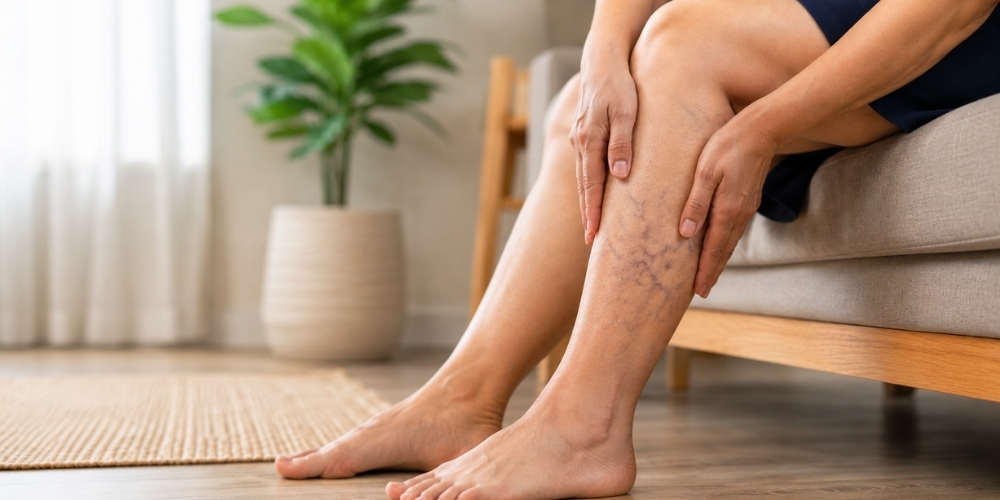
Have your legs started feeling heavy after a long day? Do you notice swollen, twisted veins becoming more visible over time? While these symptoms are common, they shouldn't be ignored.
Varicose veins affect millions of people worldwide and are especially common among individuals who spend long hours standing or sitting. Although factors such as age, pregnancy, and genetics cannot be controlled, adopting healthy lifestyle habits can improve circulation, reduce symptoms, and may help slow the progression of varicose veins.
At Horizon Hospital Goa, our vascular specialists believe that prevention begins with awareness and early action. By making a few simple lifestyle changes, you can support healthy veins and reduce your risk of complications.
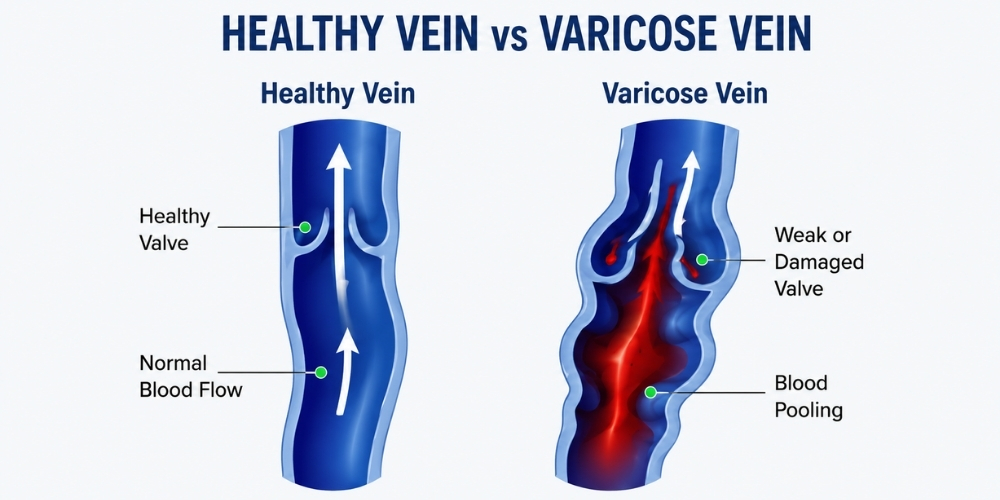
Varicose veins are enlarged, swollen veins that usually appear on the legs and feet. They develop when the tiny one-way valves inside the veins become weak or damaged.
Normally, these valves help blood flow upward toward the heart. When they stop working properly, blood begins to pool inside the veins, increasing pressure and causing the veins to enlarge and become visible beneath the skin.
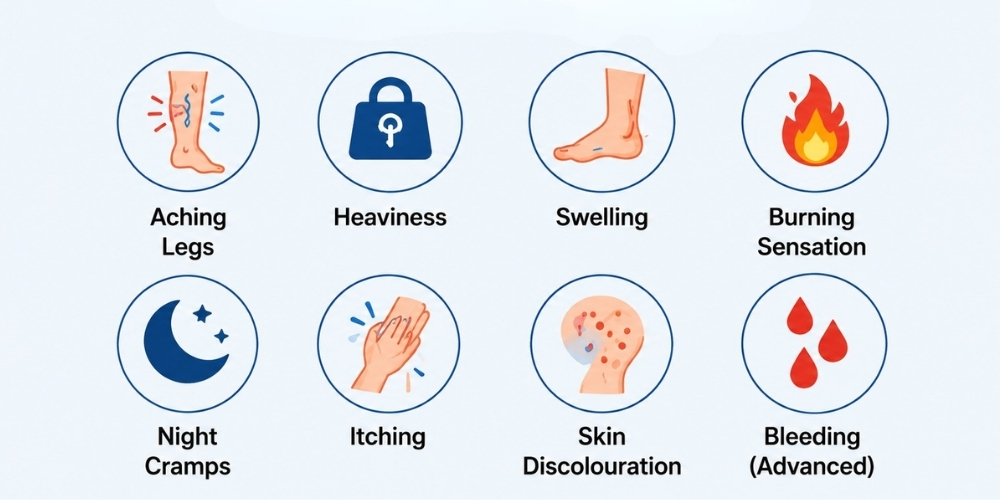
Some people experience only cosmetic concerns, while others develop:
Without treatment, severe cases may lead to ulcers or bleeding.
Anyone can develop varicose veins, but the risk is higher if you:
In Goa, professionals working in hospitality, healthcare, education, retail, security services, and tourism often spend extended hours on their feet, increasing their risk of developing varicose veins.
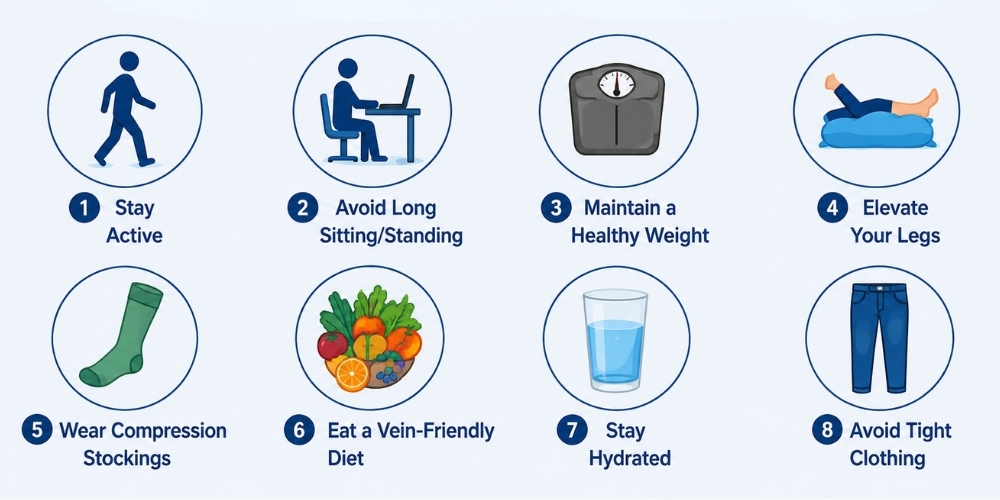
Regular exercise keeps blood circulating efficiently.
Activities that promote healthy circulation include:
Aim for at least 30 minutes of moderate physical activity most days of the week.
Remaining in one position for hours increases pressure inside the leg veins.
Simple tips include:
Small movements throughout the day help keep blood flowing.
Excess body weight places additional pressure on your veins.
Maintaining a healthy weight through balanced nutrition and regular exercise can reduce strain on the circulatory system and improve overall vascular health.
After a long day, resting with your legs elevated above heart level for 15–20 minutes may help reduce swelling and encourage blood to flow back toward the heart.
This simple habit can be especially beneficial for people who spend long hours standing.
Compression stockings gently squeeze the legs to improve circulation and reduce swelling.
They are particularly useful for people who:
Compression stockings should be selected based on your doctor's recommendation.
Healthy veins benefit from proper nutrition.
Include foods rich in:
🥦 Fibre
🍊 Vitamin C
🥬 Leafy green vegetables
🥜 Nuts and seeds
🍓 Antioxidants
🐟 Omega-3 fatty acids
Also, reduce excessive salt intake, which can contribute to water retention and swelling.
Proper hydration helps maintain healthy blood flow and supports overall circulation.
Carry a reusable water bottle and drink water consistently throughout the day, especially in Goa's warm and humid climate.
Very tight clothing may restrict circulation.
Choose comfortable clothing that allows healthy blood flow, especially if you already have symptoms of varicose veins.
This is one of the most common misconceptions.
Healthy lifestyle habits cannot remove existing varicose veins, but they can:
If your symptoms continue despite lifestyle changes, medical treatment may be necessary.
Seek medical evaluation if you experience:
Early diagnosis can help prevent complications and provide more treatment options.
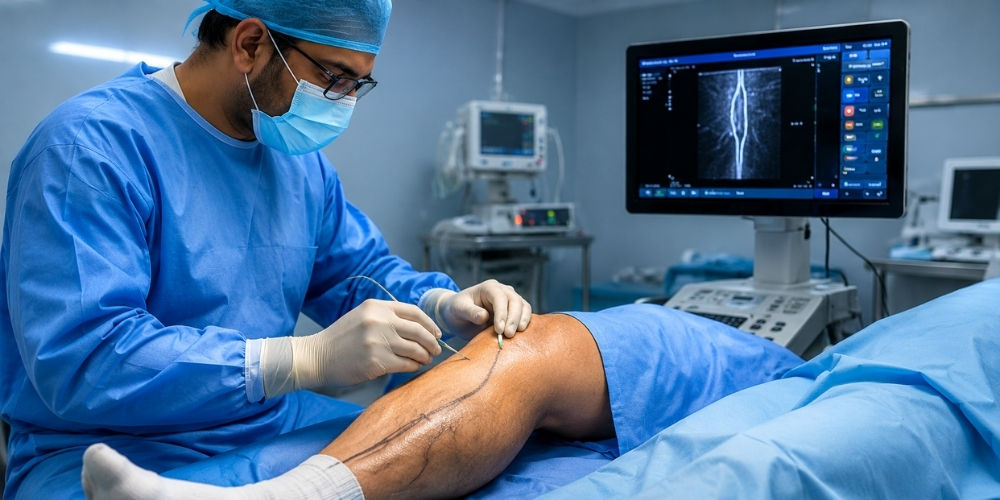
If lifestyle modifications are no longer enough, modern vascular treatments can effectively manage varicose veins.
Depending on your condition, treatment may include:
Our vascular specialists perform a detailed evaluation before recommending the most appropriate treatment plan.
Healthy veins play an important role in keeping you active and comfortable. Simple habits such as staying active, maintaining a healthy weight, eating a balanced diet, and avoiding prolonged sitting or standing can make a meaningful difference over time.
If you are experiencing persistent leg pain, swelling, or visible varicose veins, don't wait for symptoms to worsen.
Schedule a consultation with the Vascular Surgery team at Horizon Hospital Goa for a comprehensive evaluation and personalised treatment plan. Early care can help improve your comfort, mobility, and long-term vein health.
 Horizon ICU & Hospital